

Understanding What Makes Skincare Routine Steps Actually Work
Building a skincare routine isn't about piling on products; it's about understanding the science behind each step. Just as a house needs a solid foundation, a successful skincare routine relies on fundamental principles. Let's explore the key factors that determine a truly effective skincare routine.
The Importance of Product Order
The order you apply your skincare products matters. It's crucial for maximizing absorption and effectiveness. Think of it as layering clothes in winter. You wouldn't wear your heavy coat first. Similarly, applying a thick cream before a lightweight serum prevents the serum from penetrating. Start with the thinnest products (like toners or essences) and gradually move towards thicker formulations (like moisturizers or oils). This ensures each product can reach the skin and deliver its benefits.
pH Levels and Ingredient Absorption
Your skin's pH significantly affects how well it absorbs ingredients. Some products, like acids, work best at a lower pH. Others, like hyaluronic acid, thrive in a more alkaline environment. Using incompatible products together can disrupt your skin's pH balance, reducing effectiveness or causing irritation. Understanding your products' pH and applying them in the correct order is vital.
Synergistic Combinations and Ingredient Conflicts
Some ingredients work synergistically, boosting each other's effectiveness. For example, vitamin C and vitamin E combined offer enhanced antioxidant protection. However, some ingredients clash. They might neutralize each other's benefits or cause irritation. Pairing retinoids with benzoyl peroxide can be overly drying and counterproductive. Knowing these interactions helps you create a routine that truly works.
Market Growth and Trends
The Middle East and Africa (MEA) region's skincare market is booming, with face skincare leading the way. This growth is driven by increased awareness of beauty standards and the benefits of a good skincare routine, fueled by social media and cultural shifts. By 2025, the MENA beauty and personal care market is projected to reach $60 billion, up from $46 billion. This highlights the growing interest in skincare in the region. Explore further: Find more detailed statistics here
Timing and Lifestyle Considerations
The timing of your skincare routine matters. Some ingredients, like retinoids, are best used at night because sunlight can deactivate them. Others, like antioxidants and SPF, are crucial for daytime protection. Your lifestyle also plays a role. If you live in a dry climate, you might need richer moisturizers and more frequent hydration than someone in a humid environment. Tailoring your routine to your specific needs and environment is key.
Debunking Skincare Myths
Many skincare myths circulate, often leading to ineffective routines. For example, more products don't always equal better results. Overloading your skin can cause breakouts and irritation. Similarly, the idea that natural ingredients are always superior is a misconception. Many synthetic ingredients are safe and effective. Educating yourself and avoiding common misconceptions helps you build a genuinely effective, personalized routine.
Morning Skincare Routine Steps That Set You Up for Success
Your morning skincare routine is the first step in protecting your skin from daily environmental stressors. It's more than just a quick wash; it's about preparing your skin for optimal health and a radiant glow. Let's explore the key steps for a successful routine.
Cleanse and Prepare
Start by cleansing your face with a gentle cleanser designed for your skin type. This removes any buildup from the night and preps your skin to absorb products more effectively. Be careful not to over-cleanse, as this can strip away natural oils, leading to dryness and irritation. Find the right balance for clean, comfortable skin.
Tone and Balance
Toning is an often-missed step, but it's crucial for skin health. A good toner helps balance your skin's pH, which can be disrupted by cleansing. This balanced pH allows serums and moisturizers to be absorbed more readily. It's like preparing the soil before planting – creating the ideal environment for nourishment.
Serum Application
Serums are potent treatments designed to address specific skin concerns. Whether you want to reduce hyperpigmentation, boost hydration, or minimize wrinkles, a targeted serum can help. Apply your serum after toning, allowing it to deeply penetrate before the next step.
Moisturize and Protect
Moisturizing is a must for everyone, regardless of skin type. Even oily skin needs hydration. Moisturizer forms a protective barrier, sealing in moisture and preventing water loss. This helps keep your skin plump and healthy all day, which is especially important in dry climates.
Sun Protection
The last, and arguably most critical step, is sunscreen. The sun's harmful UV rays contribute to premature aging, sunspots, and even skin cancer. Always apply a broad-spectrum SPF of 30 or higher, even on cloudy days. This is essential for long-term skin health, shielding your skin from sun damage and preserving a youthful appearance.
Visualizing Your Morning Routine
To illustrate the flow and significance of each step, take a look at the following infographic depicting a typical morning skincare routine timeline:
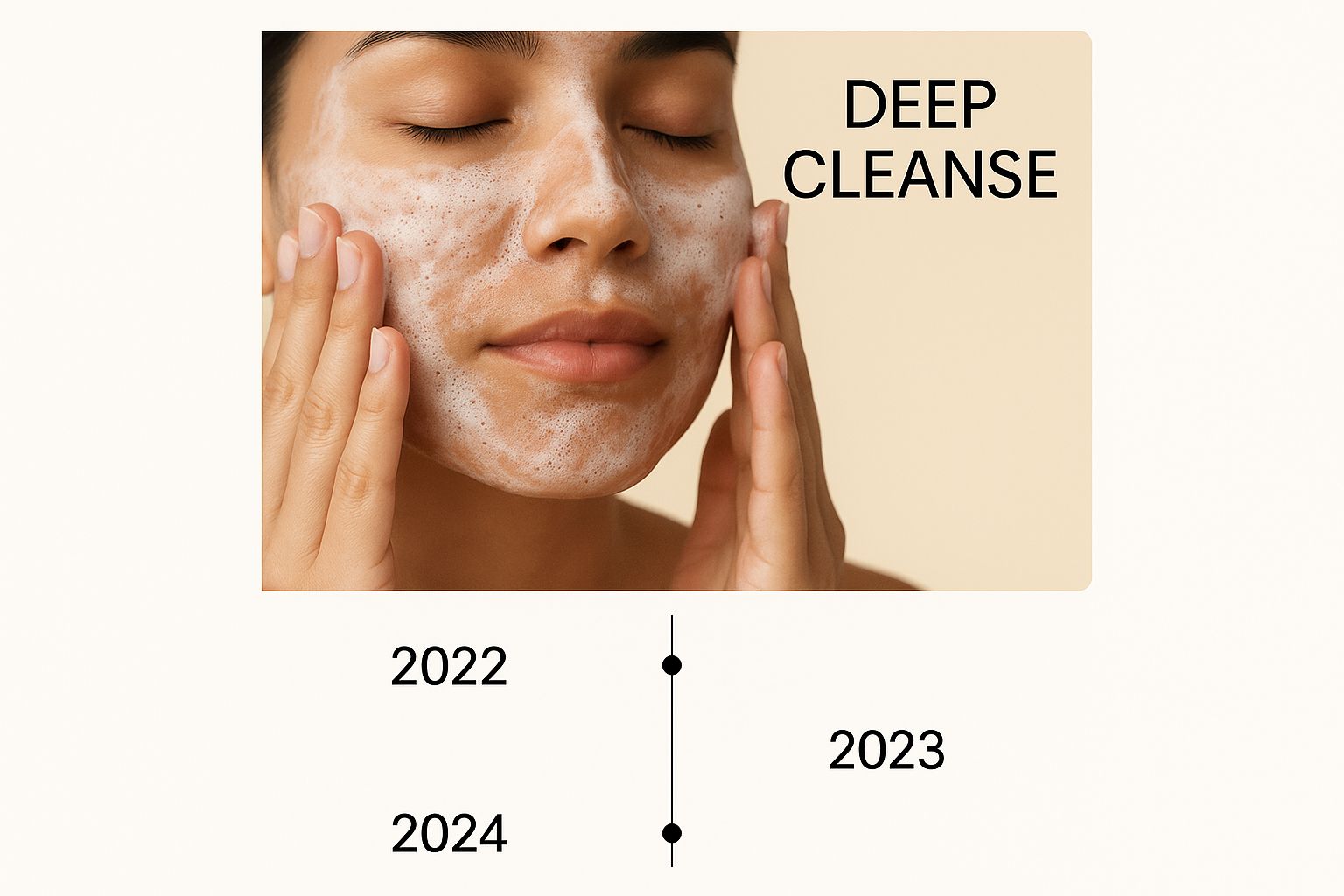
As the infographic shows, starting with a thorough cleanse and ending with sun protection ensures optimal product performance. Each step builds on the previous one, creating a synergistic system for healthy skin.
To further break down the timing and benefits, let's examine a sample morning skincare routine timeline in more detail:
To provide a clear overview of a typical morning routine, the table below outlines the steps, product types, recommended wait times, and key benefits.
Morning Skincare Routine Steps Timeline
| Step | Product Type | Wait Time | Key Benefits |
|---|---|---|---|
| Cleanse | Gentle Cleanser | N/A | Removes dirt and oil, prepares skin |
| Tone | Toner | 30 seconds | Balances pH, improves absorption |
| Serum | Targeted Serum | 1 minute | Addresses specific skin concerns |
| Moisturizer | Moisturizer | 1 minute | Hydrates, protects, prevents water loss |
| Sunscreen | Broad Spectrum SPF 30+ | 2 minutes | Protects against UV damage |
This table demonstrates how a well-structured routine maximizes the benefits of each product, ultimately contributing to a healthier and more radiant complexion.
Adapting to Your Lifestyle
The steps above provide a solid foundation, but your routine should be personalized to fit your individual needs and lifestyle. If you're short on time, focus on the essentials: cleanse, moisturize, and protect. If you have more time, incorporate toning and serum application. The key is finding a routine that you can maintain consistently. You might consider exploring organic and natural skincare options from Bahja Care. Consistency is the key to a healthy, glowing complexion.
Evening Skincare Routine Steps for Maximum Recovery
Your evening skincare routine offers your skin a chance to reset and rejuvenate. While you sleep, your skin is actively repairing itself. The right nighttime regimen can significantly enhance this process. Let’s explore the essential steps for maximizing skin recovery while you rest.
Double Cleansing: The Foundation of an Effective Nighttime Routine
The first step in any evening skincare routine should be cleansing. For maximum benefit, double cleansing is recommended, particularly in the AE region where sand and dust can accumulate on the skin throughout the day. This two-step process involves using two distinct cleansers: an oil-based cleanser followed by a water-based cleanser.
The oil-based cleanser effectively dissolves makeup, sunscreen, and excess oil. The water-based cleanser then removes any remaining impurities, leaving your skin feeling refreshed and perfectly prepared for the next steps in your routine.
Targeted Treatments: Addressing Specific Skin Concerns
After cleansing, it's time to apply targeted treatments. This is where you incorporate active ingredients like retinoids, acids (such as glycolic or salicylic acid), and serums specific to your individual skin concerns.
For example, if you’re concerned about acne, a salicylic acid treatment can help to unclog pores and prevent breakouts. If anti-aging is your focus, a retinoid can stimulate collagen production and minimize the appearance of fine lines and wrinkles. Start by using these potent ingredients gradually, perhaps a couple of times a week, to allow your skin to acclimate.
Moisturizing and Sealing in Hydration
Moisturizing is essential for both morning and evening routines. At night, select a moisturizer that offers deep hydration and supports your skin's natural barrier function. This helps to lock in moisture and prevent dryness, particularly after using active ingredients which can sometimes have a drying effect.
The Power of Overnight Regeneration
Research shows that skin cell regeneration increases by up to 30% during sleep. This makes evening skincare routines notably more beneficial for anti-aging and repair compared to daytime applications. Explore this topic further. This underscores the importance of a consistent and effective evening skincare routine.
Layering Your Products for Optimal Absorption
The order in which you apply your skincare products is key. Correct layering ensures optimal absorption and reduces the possibility of irritation. Follow the principle of “thin to thick”: apply the lightest products first, like toners and serums, followed by increasingly thicker formulations, such as moisturizers and oils. This approach maximizes product penetration and efficacy.
Building Tolerance to Stronger Ingredients
When incorporating potent actives like retinoids or acids, it’s best to start slowly. Begin with a low concentration, gradually increasing the frequency and strength as your skin adapts. This minimizes potential irritation and allows your skin to adjust to the active ingredients. You might also consider organic and natural skincare options from Bahja Care.
Tailoring Your Routine to the AE Climate
The hot, often arid climate of the AE region necessitates specific considerations for your evening skincare routine. Look for hydrating ingredients like hyaluronic acid and prioritize moisturizers that provide long-lasting hydration. Consider adding a hydrating face mask once or twice a week to restore moisture lost during the day due to environmental factors. Protecting your skin's barrier is vital for preserving its health and resilience in this challenging climate.
Tailoring Your Skincare Routine Steps to Your Unique Needs
A truly effective skincare routine isn't a one-size-fits-all solution. It's about creating a personalized approach that addresses your skin's specific needs. This customized approach is gaining popularity, particularly in the AE region, as people recognize the impact of factors like climate, hormones, and lifestyle on their skin.
Identifying Your Skin Type and Concerns
The first step in personalizing your skincare routine is understanding your skin type. Is your skin oily, dry, combination, or sensitive? Each type responds best to different products and techniques. After determining your skin type, identify your specific concerns. Are you concerned with acne, dryness, wrinkles, or hyperpigmentation? Knowing your skin's unique characteristics will guide you toward the most effective products.
Adapting the Basic Framework: Oily, Dry, Combination, and Sensitive Skin
The core skincare routine—cleanse, tone, treat, moisturize, and protect—serves as a strong foundation. However, you'll need to tailor each step to your skin's individual requirements. For example, oily skin often benefits from a foaming cleanser and a light, oil-free moisturizer. In contrast, dry skin may require a creamy cleanser and a rich, hydrating moisturizer. Those with combination skin may find targeted treatments beneficial, such as a clay mask in the T-zone and a hydrating serum on the cheeks. Finally, sensitive skin demands gentle products, free of fragrances and harsh chemicals.
Climate, Hormones, and Lifestyle: Understanding Their Impact
External factors significantly influence your skin's condition. The hot, dry climate common in the AE region can lead to dehydration, emphasizing the need for extra hydration and robust sun protection. Hormonal fluctuations can trigger breakouts or increased oil production, requiring adjustments to your routine. Lifestyle factors, including stress and diet, also play a role. Understanding these influences allows you to adapt your routine accordingly.
Recognizing Change and Refreshing Your Routine
Your skin's needs evolve over time due to factors like age, seasonal changes, and environmental shifts. Pay attention to your skin's signals. Is your regular moisturizer no longer providing adequate hydration? Are you experiencing more breakouts? These signs suggest it's time to re-evaluate your routine. Seasonal transitions also necessitate adjustments. You might need a lighter moisturizer in the summer and a richer one in the winter. Regularly assessing and adapting your routine ensures its ongoing effectiveness. The growing integration of wellness into skincare routines reflects a broader trend toward holistic beauty practices in the region. Learn more about the rise of personalized skincare in the Middle East: Discover more insights about personalized skincare
Maintaining Consistency While Allowing for Flexibility
Consistency is crucial for optimal results, but flexibility is also essential. Life gets in the way, and you might occasionally miss a step or two. Don’t be too hard on yourself. Simply resume your routine as soon as possible. You might also consider incorporating natural and organic skincare options from Bahja Care, especially if you prefer gentle yet effective formulations. A realistic and sustainable routine, one that adapts to life's changes, is far more effective than aiming for unattainable perfection. Listen to your skin, stay informed about new skincare developments, and adjust your routine as needed to maintain healthy, radiant skin.
Smart Shopping: Choosing Products That Actually Deliver
Navigating the skincare aisle can feel overwhelming. With so many brands and ingredients, how do you choose the right products? Don't worry, with a little knowledge, you can confidently select products that truly work for you.
Decoding Ingredient Lists: Separating the Hype from the Heroes
Smart shopping starts with understanding ingredient lists. You don't need to memorize every ingredient, just the key players. Focus on the active ingredients that address your specific concerns.
For example, salicylic acid and benzoyl peroxide are effective for acne, while hyaluronic acid and ceramides boost hydration.
Effective Formulations: Beyond the Buzzwords
Marketing buzzwords can be deceptive. Don't be swayed by flashy terms like "natural" or "clinically proven" without doing your research. Investigate the ingredients and seek out independent reviews to confirm a product's effectiveness. A good product relies on proven science, not just clever marketing.
Marketing Hype vs. Genuine Innovation
The skincare industry is always evolving. While some innovations are truly groundbreaking, others are just marketing ploys. It's crucial to differentiate between the two. For instance, some peptides have proven benefits for collagen production, while others lack scientific support. Be a savvy shopper and research before buying into the latest trends. Interestingly, the Middle East shows a strong preference for luxury skincare. Consumers in this region are 44% more likely to buy high-end skincare products compared to other regions. Explore this topic further
Drugstore Gems vs. Luxury Splurges: Finding Your Balance
Effective skincare doesn't have to break the bank. Many drugstore brands offer excellent formulations at reasonable prices. However, some luxury products justify their cost with higher concentrations of active ingredients or innovative delivery systems. The key is to find what works best for your budget and skincare needs. Both drugstore and luxury skincare can be effective, but their strategies and pricing differ. For natural and organic choices, consider Bahja Care’s products at https://mybahja.com.
Patch Testing and Introduction: Protecting Your Skin
Before adding any new product to your routine, patch test it. Apply a small amount to a hidden area, like your inner arm, and watch for reactions. This can prevent potential irritation or allergies. Introduce new products one at a time to isolate any issues. This way, you can easily identify the culprit if a reaction occurs.
Building Your Skincare Arsenal: A Strategic Approach
An effective skincare routine is not about quantity, it's about quality. Choose key products that work together to meet your specific needs.
Understanding Product Categories
Each product category plays a specific role in your skincare routine. The table below provides a quick overview:
To help you understand the roles of different skincare products, we've compiled a comparison table:
Skincare Product Categories Comparison: This table compares different product categories, their functions, and suitable skin types.
| Product Category | Primary Function | Best for Skin Type | Application Timing |
|---|---|---|---|
| Cleanser | Removes dirt, oil, makeup | All | AM & PM |
| Toner | Balances pH, preps skin | All | After cleansing |
| Serum | Delivers concentrated actives | Varies by concern | After toning |
| Moisturizer | Hydrates, protects skin barrier | All | AM & PM |
| Sunscreen | Protects from UV damage | All | AM (and PM if using retinoids) |
| Exfoliant | Removes dead skin cells | Varies by type | 1-2 times per week |
| Mask | Targeted treatments | Varies by type | As needed |
By understanding each product’s role, you can build a routine that addresses your skin concerns. You may also wish to consider the organic and natural skincare options available at Bahja Care. Consistency is key for achieving and maintaining healthy, radiant skin.
Avoiding the Mistakes That Sabotage Your Results
Even with the best intentions, common skincare mistakes can hinder your progress. Let's explore these pitfalls and how to avoid them.
Over-Cleansing: Stripping Away More Than Just Dirt
While cleansing is crucial, over-cleansing can backfire. Washing your face too often or with harsh cleansers disrupts your skin's natural pH balance. This strips away essential oils, leading to dryness, irritation, and even increased oil production as your skin tries to compensate.
Think of it like over-watering a plant. Too much of a good thing can be detrimental. Instead, cleanse twice daily—morning and night—with a gentle cleanser suited to your skin type.
You might find that organic and natural cleansers, like those offered by Bahja Care, are gentler on your skin and promote a healthier balance.
The Perils of Product Mixing: Not All Ingredients Play Well Together
Combining certain skincare ingredients can lead to irritation or neutralize their effectiveness. For example, using retinoids and benzoyl peroxide together can be excessively drying and counterproductive.
Similarly, some acids, like glycolic acid, shouldn't be combined with vitamin C. This can disrupt each other's efficacy. Researching ingredient interactions or consulting a dermatologist is essential. This ensures your skincare routine is truly synergistic.
Patience Is Key: Managing Expectations in Skincare
Visible results in skincare take time and consistency. Don't expect overnight miracles. It's essential to be patient and give your products time to work. Just as a seed takes weeks to sprout and grow, your skin needs time to respond to new ingredients.
For example, retinoids can take several weeks to show noticeable improvement in fine lines or acne. Don't get discouraged if you don't see immediate changes. Consistency with your routine is more important than quick fixes.
The Dangers of Over-Exfoliation: Understanding the Signs
Exfoliation removes dead skin cells, revealing brighter skin. However, over-exfoliation can damage your skin's protective barrier. This can lead to redness, sensitivity, and even breakouts.
Recognize the warning signs. If your skin feels tight, stings, or looks excessively red after exfoliating, you're likely overdoing it. Reduce the frequency and opt for gentle methods. Consider chemical exfoliants with AHAs or BHAs, rather than harsh scrubs.
Consistency Trumps Perfection: Building a Sustainable Routine
Life gets busy, and there will be times when you can't complete every step of your skincare routine. That's perfectly acceptable. Consistency over time is far more important than occasional lapses.
Aim for a routine you can maintain realistically. Rather than striving for an elaborate multi-step routine, focus on a simpler, consistent regimen. Consider organic and natural options from Bahja Care to simplify your routine with gentle, yet effective, products.
Adapting and Adjusting: When Your Routine Needs a Refresh
Your skin's needs change over time due to factors like age, environment, and stress levels. Regularly assess your routine and make adjustments as needed. If your current products no longer seem effective, don't hesitate to try something new.
Just as you adapt your wardrobe to changing seasons, your skincare routine should also evolve. Pay attention to your skin's signals, seek professional advice when necessary, and adjust your routine for ongoing effectiveness.
Recognizing Normal vs. Concerning Skin Changes
Understanding the difference between normal skin fluctuations and concerning changes is crucial. Some blemishes or temporary dryness are common, but persistent or worsening issues may need professional attention.
If you’re unsure, consulting a dermatologist is always recommended. They can provide personalized advice and address specific skin concerns.
Key Takeaways

This guide has provided you with the essential knowledge to create a successful skincare routine. Let's recap the key points for achieving healthy, radiant skin. These insights will help you personalize a routine that works for you and delivers real results.
Building Your Routine: A Step-by-Step Approach
Whether you're just starting out or you're a skincare expert, a structured approach is key. Begin with these fundamental steps:
-
Cleanse: This crucial first step removes impurities and prepares your skin for better product absorption. Select a cleanser that matches your skin type.
-
Tone: Toning helps balance your skin's pH, creating the ideal environment for serums and moisturizers.
-
Treat: This step involves targeted serums or treatments to address specific concerns, such as acne, wrinkles, or hyperpigmentation.
-
Moisturize: Moisturizing is essential for all skin types, including oily skin. It locks in hydration and protects your skin's natural barrier.
-
Protect: The final, and most important, step is sun protection. Apply a broad-spectrum SPF 30+ every day to shield your skin from harmful UV rays.
Consistency is crucial. Create a routine you can maintain, even if it's just the basics of cleansing, moisturizing, and protecting.
Setting Realistic Timelines and Tracking Progress
Don't expect to see changes overnight. Skincare is a journey. Give your products time to work and acknowledge the small improvements.
-
Short-Term Goals (Weeks): Look for initial improvements like increased hydration, less redness, or a smoother skin texture.
-
Long-Term Goals (Months): Expect to see more significant results, such as reduced wrinkles, diminished hyperpigmentation, or clearer skin.
Document your progress with photos or a skincare journal. This will help you track changes and identify effective products and practices.
Staying Consistent: Tips for Long-Term Success
Developing lasting habits takes effort and planning. Here's how to make skincare a part of your daily life:
-
Morning Routine: Keep your morning routine simple and efficient. Focus on cleansing, moisturizing, and sun protection.
-
Evening Routine: Your evening routine is the perfect time for more intensive treatments and repair. Double cleanse to remove makeup and pollutants, then apply targeted serums and a richer moisturizer.
-
Weekend Rituals: Set aside some time on the weekends for extra care. Consider incorporating masks, exfoliation, or facial massage.
Don’t worry if you miss a day or two. Just get back on track as soon as you can. Long-term consistency is what truly matters.
Troubleshooting Common Setbacks
Skincare isn't always straightforward. Here are some common problems and how to address them:
-
Over-Cleansing: If your skin feels tight or dry, you may be over-cleansing. Try a gentler cleanser and cleanse less often.
-
Product Conflicts: Certain ingredients can clash and cause irritation. Research ingredient interactions or consult a dermatologist to ensure compatibility.
-
Over-Exfoliation: Redness, sensitivity, and breakouts can indicate over-exfoliation. Reduce the frequency or choose gentler exfoliating methods.
Remember, healthy skin reflects overall well-being. Prioritize sleep, hydration, and stress management. These lifestyle factors play a significant role in your skin's health and resilience.
Embracing Personalized Skincare in the AE Region
Skincare routines in the Middle East are becoming more personalized. It’s important to tailor your approach to your specific skin type and concerns. Consider the effects of the AE climate—often hot and dry—which makes hydration and sun protection even more crucial.
Think about including organic and natural products in your routine. Bahja Care offers a selection of organic and natural skincare products, ideal for creating a gentle yet effective routine tailored to the unique needs of individuals in the AE region. Their range caters to various skin concerns and preferences, allowing you to personalize your skincare and embrace a more natural path to radiant skin.
Article created using Outrank
0 comments