

Understanding Your Oily Skin In Hot Climates
Living in a hot climate can be particularly challenging for those with oily skin. Environmental factors play a significant role, impacting your skin's sebum production. Sebum, the natural oil produced by your sebaceous glands, is essential for healthy skin. However, an overabundance leads to unwanted shine and can contribute to breakouts.
How Heat and Humidity Affect Your Skin
High temperatures and humidity can trigger increased oil production. Much like sweating, which is your body's way of cooling down, your skin produces more sebum to maintain hydration in the heat. This can leave your skin feeling greasy and appearing shiny. The frequent use of air conditioning, especially common in the AE region, can further dehydrate skin, leading to even more oil production in an attempt to compensate. This creates a frustrating cycle of oiliness and dehydration.
Dust and Pollution: Exacerbating the Problem
Dust and pollution further complicate matters for oily skin in hot climates. These airborne particles clog pores, trapping sebum and contributing to breakouts. Think of dust settling on an oiled surface – it sticks and builds up. Similarly, on your skin, dust and pollution mix with excess oil, creating a perfect environment for acne, particularly in urban areas of the AE region.
Traditional Practices and Modern Solutions
Skincare in the AE region often blends tradition with modernity. Many countries in the MEA region have long-standing cultural practices using natural ingredients like oils and herbs for cleansing and moisturizing. Simultaneously, the skincare market is influenced by global trends, with a growing focus on face care using advanced formulations. The preference for natural ingredients remains strong, with many brands developing eco-friendly and chemical-free products. To learn more about these trends, check out this report: Middle East Skin Care Market Report
Is It Truly Oily Skin?
It’s important to differentiate between naturally oily skin and skin overproducing oil due to environmental factors. If your skin feels tight and dehydrated despite looking oily, it’s likely reacting to external stressors. Understanding the root cause is the first step in developing an effective skincare routine. This allows you to choose products and practices that address your skin's actual needs, rather than just masking the symptoms. This understanding will be key as we discuss building a personalized skincare routine for oily skin in later sections.
Your Morning Routine That Actually Works
Forget everything you thought about battling oily skin each morning. Instead of harsh scrubbing and complicated regimens, let's build a skincare routine that works with your skin, not against it. We'll focus on gentle cleansing, lightweight hydration, and essential sun protection—all tailored for the challenges of hot climates like those in the AE region.
Start With a Gentle Cleanse
Aggressive scrubbing can actually worsen oil production. Your skin overcompensates for the dryness by creating even more sebum. Instead, choose a gentle, gel-based cleanser with ingredients like salicylic acid. This beta-hydroxy acid (BHA) exfoliates inside your pores, preventing the buildup of oil and dead skin cells that lead to breakouts. This clears pores without stripping essential moisture.
The following infographic shows proper cleansing techniques to maximize effectiveness:
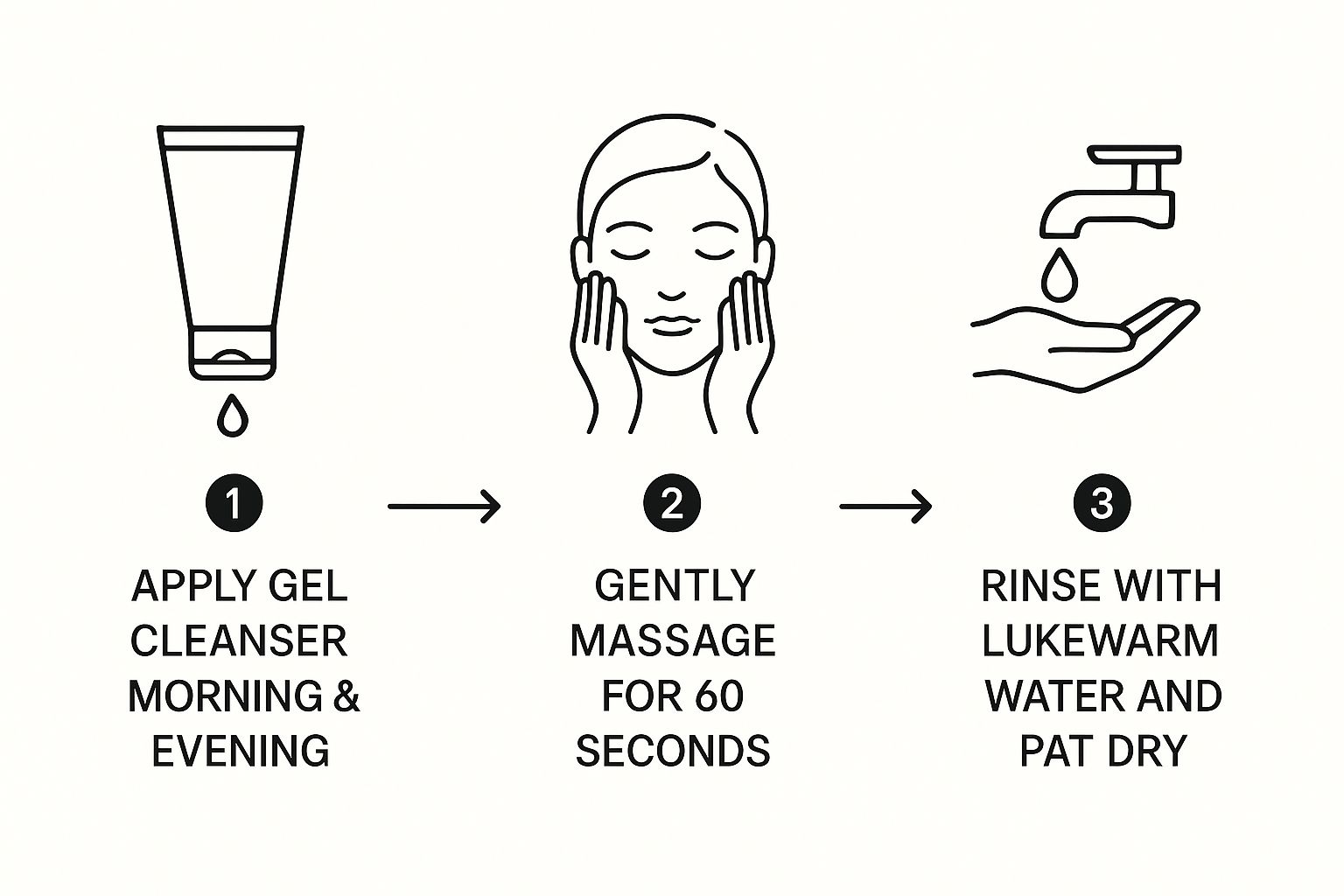
As you can see, gentle massage and lukewarm water are key for effective yet non-irritating cleansing. This process removes impurities and prepares your skin for the next steps.
To further illustrate a comprehensive morning routine, let's look at a step-by-step breakdown:
Morning Skincare Routine Steps for Oily Skin: A step-by-step comparison of morning routine steps with timing and key benefits
| Step | Product Type | Key Ingredients | Benefits | Application Time |
|---|---|---|---|---|
| Cleanse | Gel Cleanser | Salicylic Acid | Removes excess oil and impurities without over-drying | 1 minute |
| Hydrate | Lightweight, oil-free moisturizer | Hyaluronic Acid | Hydrates and balances skin's moisture barrier | 30 seconds |
| Protect | Broad Spectrum Sunscreen | Zinc Oxide, Titanium Dioxide | Shields skin from harmful UV rays, prevents premature aging and uneven skin tone | 1 minute |
This table highlights the importance of each step and how the right ingredients contribute to a healthy, balanced complexion. By following these steps, you can effectively manage oil production and maintain skin health.
Lightweight Hydration Is Key
Skipping moisturizer is a common mistake for those with oily skin. Dehydration can actually trigger more oil production. Select a lightweight, oil-free moisturizer that hydrates without clogging pores. Consider gel-based formulas or those with hyaluronic acid.
Hyaluronic acid is a humectant, drawing moisture from the air to your skin. This provides hydration without adding extra oil, keeping your skin balanced and preventing excess sebum production.
Sun Protection: Your Secret Weapon
Sunscreen is crucial, especially in intense sun. Sun damage can worsen oil production and accelerate aging. Choose a broad-spectrum sunscreen with an SPF of 30 or higher. Consider physical sunscreens containing zinc oxide or titanium dioxide. These ingredients create a physical barrier against UV rays and are often less greasy.
Protecting your skin from the sun also helps maintain an even skin tone, minimizing the appearance of post-breakout marks.
Consistency Is Crucial
A consistent morning routine is the foundation for managing oily skin. Even when time is short, these steps will control shine and prevent breakouts. Gentle cleansing, lightweight hydration, and diligent sun protection are the cornerstones of an effective routine for oily skin in hot climates. By incorporating these practices, you’ll achieve a clearer, healthier complexion.
Evening Deep Care That Transforms Your Skin

Your evening skincare routine is crucial. While a morning routine focuses on protection, your evening routine is dedicated to repair and managing oil production. It's your skin's opportunity to recover from daily stress, particularly important in the challenging climates of the AE region.
The Power of Double Cleansing
Double cleansing is highly effective for oily skin. This method removes makeup, sunscreen, pollutants, and excess oil without disrupting your skin's natural moisture barrier. Think of it as a two-phase approach: first, you remove the surface debris, and then you deep clean.
-
First Cleanse: Use an oil-based cleanser or micellar water to dissolve makeup and sunscreen.
-
Second Cleanse: Follow with a gentle, water-based cleanser. A gel or foam cleanser containing salicylic acid is ideal for removing remaining impurities and excess oil.
This two-step process creates a clean base for the rest of your routine.
Introducing Active Ingredients: Salicylic Acid, Niacinamide, and Retinoids
After cleansing, incorporate active ingredients. Salicylic acid, a beta-hydroxy acid (BHA), exfoliates inside pores, preventing breakouts. Niacinamide, or Vitamin B3, manages oil production and reduces redness. Retinoids, derived from Vitamin A, boost cell turnover, refining skin texture and minimizing pores.
Be mindful of ingredient combinations. Avoid mixing retinoids and salicylic acid as this can irritate skin. Alternate nights or use them at different times. Introduce retinoids gradually, starting with a low concentration every other night, and increase frequency as your skin adapts.
Mastering Makeup Removal
Thorough makeup removal is vital for preventing clogged pores and breakouts. Select makeup removers formulated for your skin type, avoiding harsh scrubbing. Eye makeup, especially mascara, requires a gentle, dedicated remover to protect the sensitive skin around your eyes. Proper makeup removal ensures other skincare products can penetrate effectively.
Consistency: The Key to Transformation
Consistency is key to transforming your skin. Following your evening routine regularly, even when tired, will produce the best results. Like any good habit, consistency maximizes benefits and helps your skin adjust. Consistent care allows overnight regeneration, reduces oil production, and promotes a clearer, healthier complexion. By committing to an evening routine tailored to oily skin, you invest in long-term skin health. At Bahja Care, we offer natural and organic products suited for oily skin. Visit us at Bahja Care to explore our selection and create your ideal routine.
Natural Ingredients That Balance Oil Production
Nature offers powerful solutions for managing oily skin. This section explores time-tested natural ingredients, from rose water and green tea to Dead Sea clay, to help you create a balanced skincare routine for oily skin.
The Power of Rose Water and Green Tea
Rose water, a cornerstone of Middle Eastern beauty rituals, serves as a natural toner. It helps balance the skin's pH, minimizing excess oil and soothing irritation. Similarly, green tea, packed with antioxidants, helps regulate sebum production. Consider applying cooled green tea as a toner or incorporating green tea-infused products into your routine.
Dead Sea Clay: A Natural Absorbent
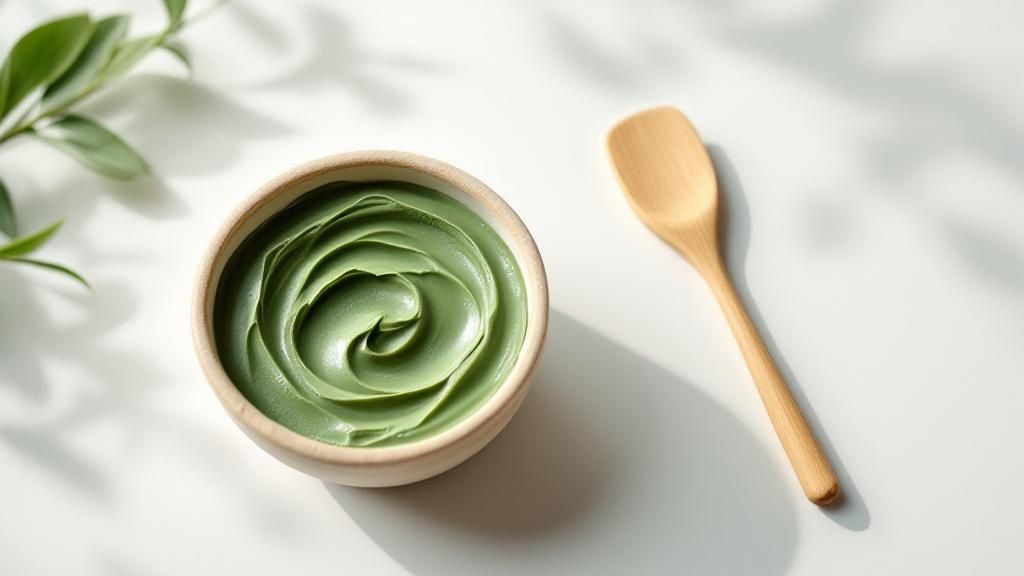
Rich in minerals, Dead Sea clay is a highly effective ingredient for oily skin. It acts as an absorbent, drawing out excess sebum and impurities from pores. This can noticeably reduce shine and help prevent breakouts. Dead Sea clay masks are readily available, or you can make your own by combining the clay with rose water or water. For more beauty tips, see this article: How to master using baking soda in your beauty routine.
Plant Oils: Balancing Oil With Oil
It might seem counterintuitive, but certain plant oils can actually help balance oil production. Jojoba oil, for instance, closely resembles the skin's natural sebum. Applying it can signal the skin to produce less oil. Grapeseed oil and tea tree oil, known for their antibacterial properties, are other beneficial options, especially for acne-prone skin.
Integrating Natural Ingredients Into Your Routine
Incorporating these ingredients can be easy. Try swapping your commercial toner for rose water or using a Dead Sea clay mask weekly. Keep in mind that natural isn't always synonymous with gentle. Always test a small patch of skin before applying any new ingredient to your entire face, especially if you have sensitive skin.
Safety and Sourcing
Sourcing high-quality products is essential when using natural ingredients. Opt for reputable brands or suppliers that offer pure, unadulterated ingredients. Organic options are generally preferable. The growing popularity of natural ingredients is reflected in the Middle East and Africa skincare market. Currently valued at nearly USD 2.40 billion, the market is projected to reach USD 2.98 billion by 2034, growing at a CAGR of 2.20%. This growth is driven in part by increased awareness of skincare and demand for products addressing specific concerns like oily skin. For more statistics, visit: Middle East and Africa Skincare Market Statistics
Building a skincare routine for oily skin with natural ingredients offers a personalized approach to managing excess oil and maintaining a healthy balance. By integrating these ingredients, you can harness nature's power for clearer, healthier skin.
Professional Treatments Worth Your Investment
Taking care of your oily skin at home is a great start, but sometimes you need a little extra help to achieve truly remarkable results. This is particularly relevant in challenging climates like the AE region. This section explores the benefits of professional treatments for oily skin and how they can help you achieve a healthy, balanced complexion.
When Professional Help Makes Sense
While a consistent home routine is essential, professional treatments offer distinct advantages. Professionals often use higher concentrations of active ingredients than what's available in at-home products, leading to quicker and more noticeable improvements. Furthermore, they have access to specialized equipment and techniques, like microdermabrasion and LED therapy, which are not practical for home use. These advanced methods can target deeper skin concerns and deliver a level of exfoliation difficult to replicate at home.
Chemical Peels: Resurfacing for a Fresh Start
Chemical peels use a chemical solution to exfoliate the skin's surface, revealing fresh, rejuvenated skin underneath. They're especially beneficial for oily skin, as they help unclog pores, minimize acne scars, and refine overall skin texture. Superficial peels using alpha-hydroxy acids (AHAs) like glycolic acid or beta-hydroxy acids (BHAs) like salicylic acid are frequently used for oily skin. These peels target excess oil and dead skin cells, promoting a brighter, more even complexion.
Microdermabrasion: Physical Exfoliation for a Deep Clean
Microdermabrasion employs a specialized tool to physically exfoliate the skin, removing dead skin cells and encouraging collagen production. This treatment can help reduce pore size, smooth skin texture, and lessen the appearance of acne scars. It also prepares the skin to better absorb skincare products.
Emerging Treatments: Skin Boosters and LED Therapy
The world of skincare is constantly evolving, and newer treatments like skin boosters and LED therapy are becoming increasingly popular for their effectiveness in managing oily skin. Skin boosters, which are injectable hyaluronic acid treatments, can improve skin hydration and reduce oil production over time. LED therapy uses different wavelengths of light to address various skin issues. Blue light is particularly effective for combating acne-causing bacteria, while red light can soothe inflammation and redness.
The MEA region is seeing a notable increase in the use of skin boosters. The Middle East and Africa skin boosters market is projected to expand at a CAGR of 11.8% from 2025 to 2030, fueled by the growing demand for aesthetic treatments. This reflects a trend towards more advanced skincare approaches for managing oily skin concerns. Learn more: Middle East and Africa Skin Boosters Market
Integrating Professional Treatments With Your Routine
Professional treatments are not meant to replace your daily skincare regimen. Rather, they complement your at-home efforts. For example, using a purifying cleanser like the Dr. Taffi Natural Purifying Face Cream can enhance the results of a chemical peel by keeping pores clean between treatments.
You might also find this helpful: How to master an oily skin routine for more guidance on developing a balanced approach.
Choosing the Right Practitioner
Selecting a qualified practitioner is crucial. Seek out licensed dermatologists or aestheticians experienced in treating oily skin. Don't hesitate to inquire about their credentials, treatment methods, and expected outcomes. A comprehensive consultation should cover your individual concerns and skin type. A personalized treatment plan will ensure the best possible results.
Realistic Expectations and Costs
While professional treatments can be very effective, maintaining realistic expectations is important. Results develop gradually, and multiple sessions may be required. Costs can also vary depending on the treatment and the practitioner. Discuss these factors upfront so you can make informed decisions about your skincare investment. By creating a consistent and informed approach, combining professional guidance with a diligent home routine, you can manage oily skin effectively and achieve long-term skin health.
Avoiding The Mistakes That Make Everything Worse
Managing oily skin can be a real challenge. Many well-intentioned skincare practices can actually worsen the problem, leading to more oil production and breakouts. This guide explores some common mistakes and offers practical solutions for a clearer complexion. This is especially relevant in hot and humid climates where oiliness can be exacerbated.
Over-Cleansing: Stripping Away Essential Oils
It might seem counterintuitive, but washing your face too often can be detrimental to oily skin. Over-cleansing strips the skin of its natural oils, leading to a rebound effect. Your skin produces even more oil to compensate for the loss. The solution? Stick to cleansing twice a day, morning and night, with a gentle, pH-balanced cleanser.
Harsh Products: Irritating Your Skin
Using harsh products, especially those containing alcohol, can disrupt your skin's natural balance. This can lead to inflammation, redness, and – you guessed it – increased oil production. Look for gentle, alcohol-free products formulated specifically for oily skin. Salicylic acid and niacinamide are excellent ingredients for managing oil and breakouts without causing irritation.
Neglecting Moisturizer: Dehydration Leads to More Oil
Skipping moisturizer is another common mistake. It’s a misconception that moisturizing oily skin will make it oilier. In reality, dehydrated skin overproduces oil to compensate for the lack of moisture. The key is to choose a lightweight, oil-free moisturizer that hydrates without clogging pores.
Ignoring Seasonal Changes: Adapting Your Routine
Your skincare routine shouldn’t be static. Seasonal changes and humidity levels can significantly impact your skin's needs. You might need a lighter moisturizer during the summer and a slightly richer one in the winter. Pay attention to how your skin feels and adjust your routine accordingly.
Managing Breakouts: Don’t Pick!
Breakouts are a common frustration for those with oily skin, but picking at them only makes things worse. It can increase inflammation and even lead to scarring. Instead, opt for targeted treatments containing ingredients like salicylic acid or benzoyl peroxide. These ingredients help to clear blemishes without damaging the surrounding skin.
Sudden Skin Changes: Listen To Your Skin
Sometimes, even with a consistent routine, your skin can change unexpectedly. This can be due to hormonal fluctuations, stress, or environmental factors. Pay attention to these changes and adapt your routine as needed. If you experience persistent issues, consult a dermatologist.
To help you further troubleshoot common oily skin issues, here's a handy guide:
Oily Skin Troubleshooting Guide
This table outlines common problems, their potential causes, and effective solutions for oily skin issues, along with preventative measures.
| Problem | Possible Cause | Solution | Prevention Tips |
|---|---|---|---|
| Excessive Shine | Overactive sebaceous glands, humidity, genetics | Blotting papers, oil-free moisturizer, salicylic acid cleanser | Regular cleansing, avoid touching your face, use oil-free makeup |
| Enlarged Pores | Excess oil, genetics, aging | Clay masks, retinoids, chemical exfoliation | Consistent skincare routine, sun protection |
| Breakouts | Clogged pores, bacteria, hormones | Salicylic acid, benzoyl peroxide, topical retinoids | Cleanse twice daily, exfoliate regularly, avoid picking blemishes |
| Blackheads | Clogged pores with oxidized sebum | Salicylic acid, clay masks, extraction by a professional | Regular exfoliation, oil-free products |
| Whiteheads | Clogged pores with trapped sebum and dead skin cells | Salicylic acid, benzoyl peroxide, gentle exfoliation | Cleanse twice daily, avoid harsh scrubbing |
This table provides a starting point for addressing specific oily skin concerns. Remember, consistency is key in managing oily skin.
By understanding these common mistakes and incorporating the provided solutions, you can effectively manage oily skin and achieve a clearer, more balanced complexion. Building a consistent skincare routine for oily skin requires patience, but the results are worth the effort.
Building A Routine You'll Actually Stick With
A perfect skincare routine for oily skin isn't effective if you can't maintain it. This section focuses on building a sustainable approach tailored to your real life, not an idealized version. We'll discuss prioritizing essential products, developing backup plans, adapting to skin changes, cost-effective strategies, and gaining family support for long-term success.
Prioritize and Simplify
When starting, focus on the essentials: a gentle cleanser, a lightweight moisturizer, and sunscreen. Don’t feel pressured to incorporate every product at once. Gradually introduce new items as your skin adjusts. A simplified routine is easier to maintain, especially during busy periods. This allows you to focus on consistency, the foundation of effective skincare. Check out our guide on How to master an oily skin routine for more guidance.
Adapting to Life's Changes
Life is full of unexpected changes. Travel, busy schedules, and even hormonal fluctuations can all impact your skin. Prepare for these by creating simplified travel routines and having backup products readily available for when time is short. Being adaptable ensures your skincare remains consistent.
Budget-Friendly Skincare: Quality Doesn't Have to Be Expensive
Effective skincare doesn’t require spending a fortune. Look for affordable, high-quality products that deliver results. Many drugstore brands offer excellent formulations for oily skin. Prioritize key ingredients like salicylic acid and niacinamide, which are often available at reasonable prices. Focus on a product’s effectiveness, not just the brand name, and explore affordable alternatives recommended by dermatologists.
Track Your Progress, Not Just Your Products
Tracking your skin’s progress can be incredibly motivating. Instead of just focusing on the products you’re using, take photos or keep a journal to observe how your skin changes over time. This visual record allows you to see the positive impact of your routine and encourages you to stay consistent.
Family Support: Creating a Skin-Positive Environment
Talking openly with your family about your skincare goals can create a supportive environment. Share your routine and explain why it's important to you. This helps create understanding and prevents unintentional disruptions, such as comments about your routine or the use of shared products that aren’t suitable for your skin. Open communication encourages positive reinforcement and promotes healthy habits.
Building a skincare routine for oily skin is a journey, not a race. By simplifying, adapting, being budget-conscious, tracking progress, and building a supportive environment, you’re creating a sustainable routine. This leads to healthy, balanced skin for the long term. Discover a range of natural and organic products tailored for oily skin at Bahja Care. We offer a variety of solutions to help you achieve your skincare goals and maintain a clear, radiant complexion.
Article created using Outrank
0 comments